
Design Leadership That Drives Acquisition Value
Role: Global Director of UX
Sector: B2B Furniture
I established user-centered design culture in a fast-paced startup that contributed to eporta's acquisition by Shopify in October 2021—increasing new business by 71% and conversion by 44%.
THE CHALLENGE
Changing the business quickly under time pressure
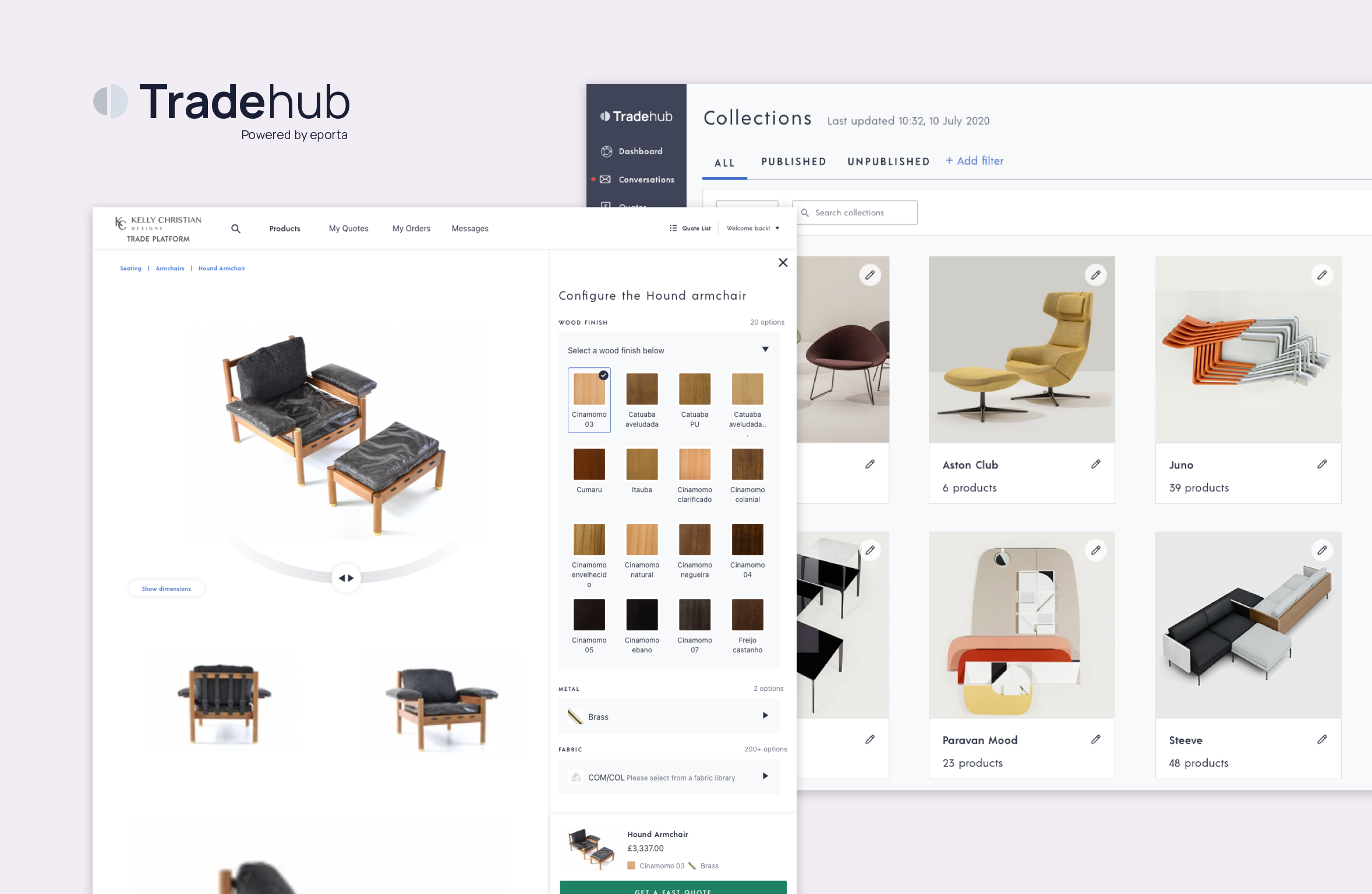
eporta was pivoting during the pandemic from a consumer marketplace to a B2B software tool (Tradehub) for interior designers and suppliers. The company had strong technical foundations but needed to prove product-market fit quickly to survive. Without established UX processes or research capabilities, the team was building features based on assumptions rather than validated user needs. In a startup fighting for runway, every development decision needed to count.
MY ROLE
Driving design strategy
As Lead Product Designer (Dec 2019 - Apr 2021), I drove product design strategy in close collaboration with C-suite executives and cross-functional teams, establishing design thinking as core to how we built product.
THE APPROACH
Strategic Moves That Shaped Outcomes
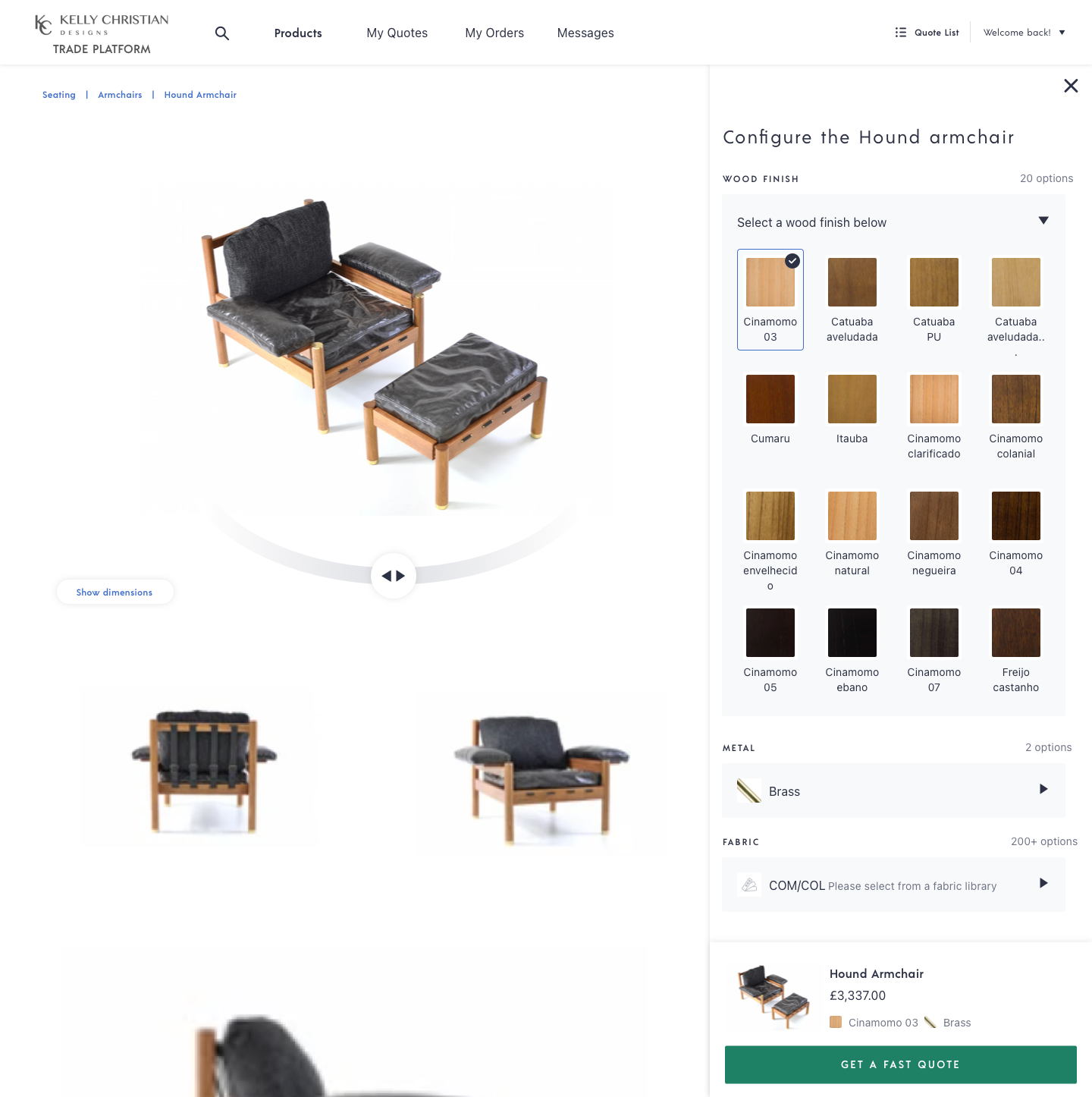
Led research and development of Tradehub from the ground up
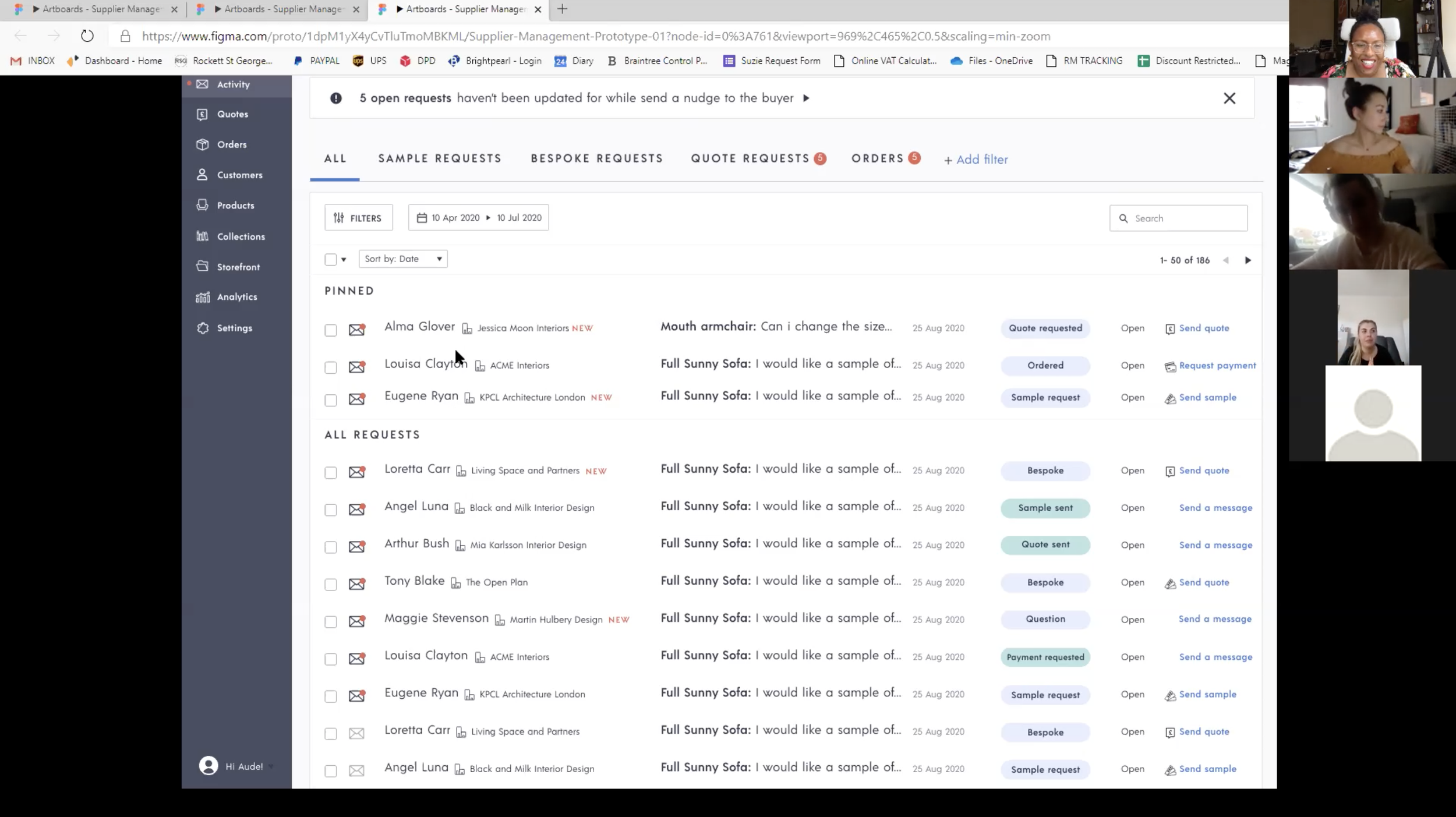
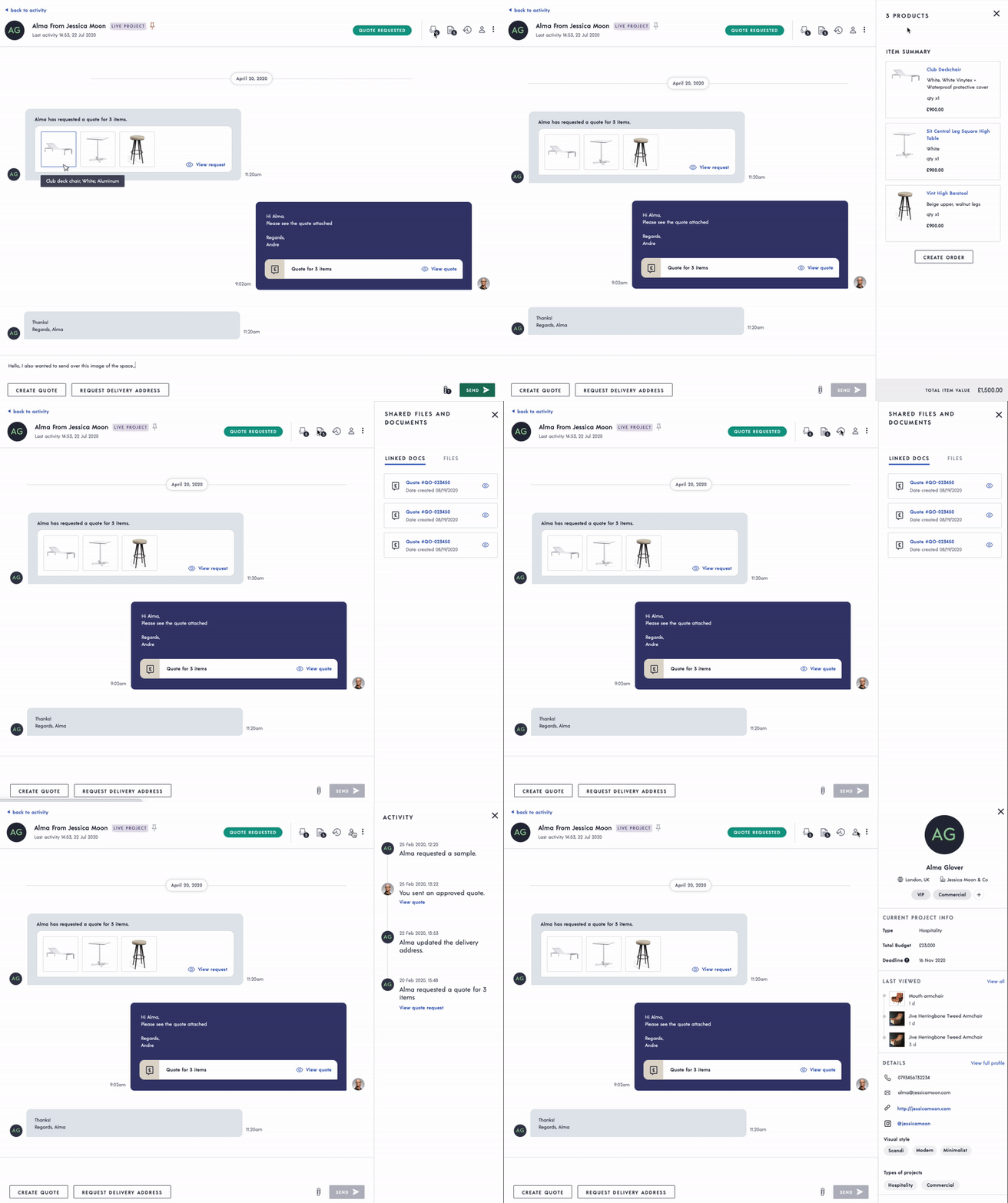
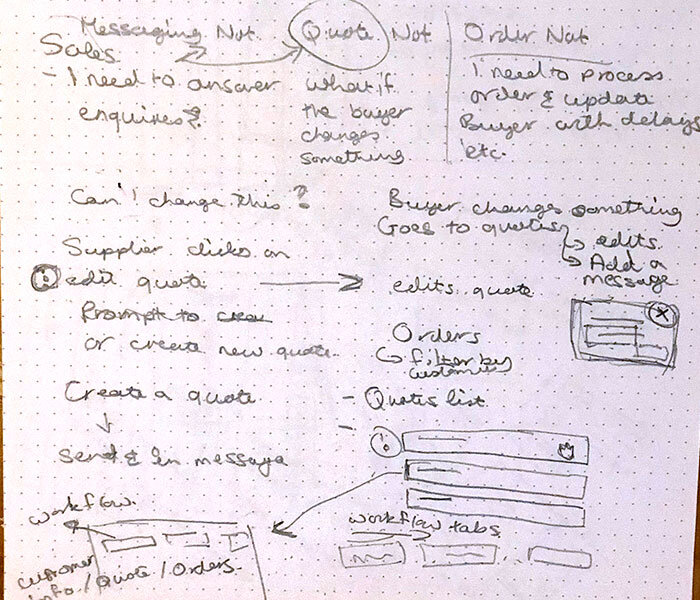
Rather than jumping straight to solutions, I established a research practice that started with understanding the complete workflows of interior designers and suppliers. This revealed that the real problem wasn't just connecting buyers and sellers—it was managing the complexity of custom orders, approvals, and fulfillment. These insights shaped a product that solved the actual pain points, not the obvious ones.
Fostered a user-centric design culture
In a startup, everyone needs to think about users—not just designers. I introduced rapid prototyping and testing processes that involved engineers, product managers, and even executives in user research. This democratisation of design thinking meant better decisions got made earlier, before expensive development work began.

Worked directly with C-suite on strategic initiatives
Design leaders in startups can't just execute—they need to shape strategy. I brought user insights directly into board-level discussions, connecting customer pain points to market opportunities and competitive positioning. This elevated design from a service function to a strategic partner in building a company worth acquiring.

THE IMPACT
Measurable Business Results
Business Metrics
Contributed to the company's acquisition by Shopify in October 2021
71% increase in new business
44% increase in conversion for customers
Product & Process Impact
Established quick iterative design processes that became the company standard
Introduced user research practice, including building a research repository
Created a design culture that made user-centred thinking core to the business
WHAT MADE IT WORK
Key Learnings
In startups, design must prove value fast
I didn't have the luxury of slow, comprehensive research cycles. Quick, scrappy validation—guerrilla testing, rapid prototyping, weekly user interviews—delivered insights fast enough to keep pace with startup speed while ensuring we built the right things.
User-centred culture beats perfect process
Rather than imposing heavy design processes, I focused on making user insights accessible to everyone. When engineers and PMs start naturally asking "what do users need?" instead of "what should we build?", you've created something more valuable than any framework.
Design leadership means reading the room
Knowing when to champion bold ideas versus when to be pragmatic separates good startup designers from great ones. I learned to pick my battles, deliver quick wins that built credibility, and use that capital to push for bigger strategic bets when it mattered most.